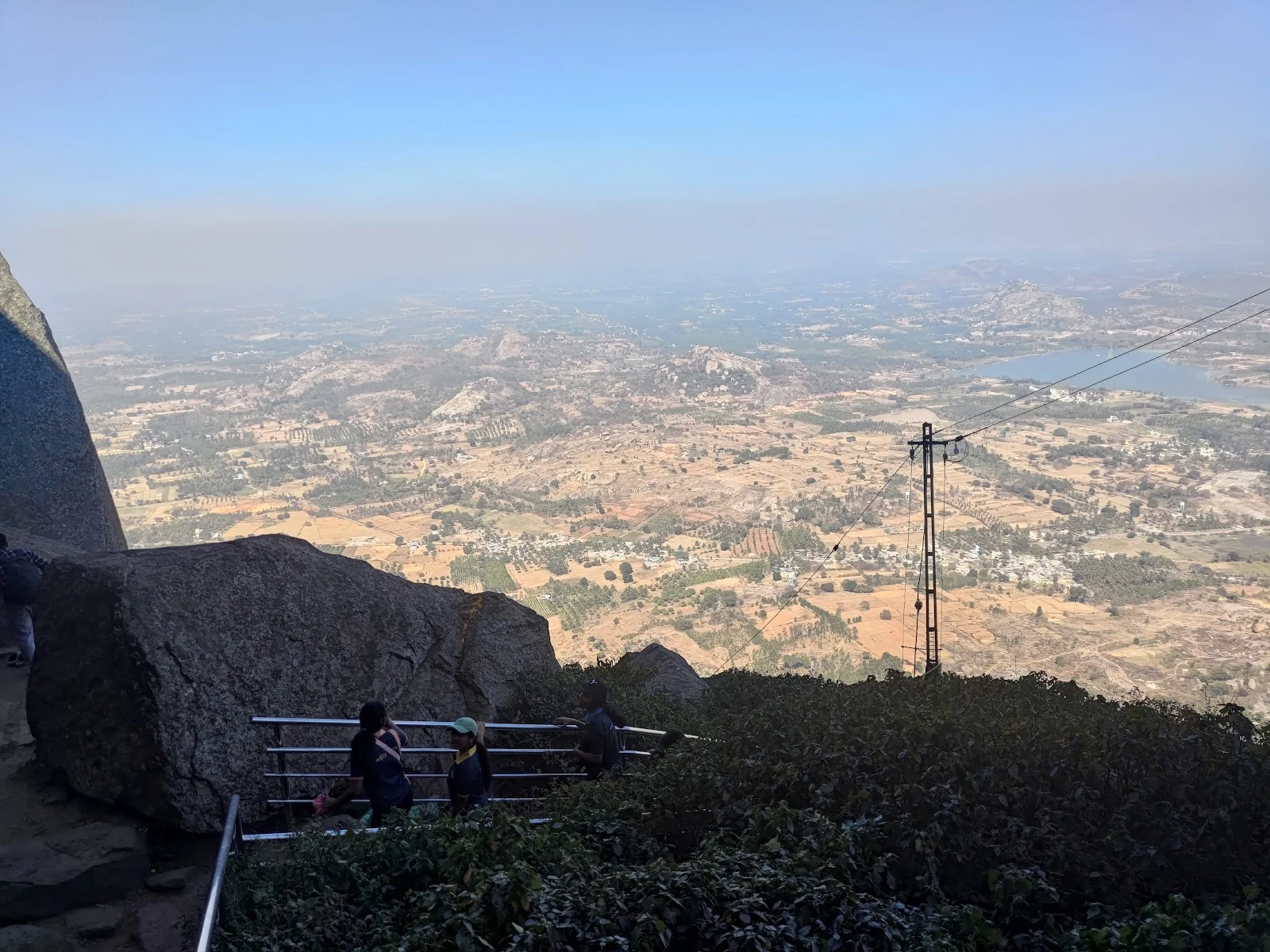
A lesson about a landscape changes when students stand in one. A trail can give classroom learning a place to begin, questions to follow, and an experience to reflect on together.
Start with a learning question
Outdoor learning works best when the outing has a clear purpose. Teachers might connect a route to local geography, biodiversity, heritage, environmental responsibility, or the way a group works together.
The National Education Policy 2020 emphasises experiential learning and holistic development. A school outing can support that direction when it is planned around the school's curriculum and followed by reflection back in class.
Make the experience count
Students can observe, ask questions, take turns, and make small decisions in a setting that is different from the classroom. Teachers can help connect those moments to the topics students are studying.
- Agree on a learning focus before choosing a route
- Give students time to notice and ask questions
- Use a short reflection or follow-up activity after the outing
Plan with the school
Curriculum links are strongest when teachers shape them. Rucksak discusses the age group, learning aims, access needs, route conditions, and school requirements before recommending an outdoor programme.
This is a practical way to bring experiential learning into school life, not a substitute for the school's own curriculum planning or safety review.